This post contains affiliate links. Please see our disclosure policy.
Lemons. 🍋 The mere thought of them makes me think of Lemon Chess Pie, Lemon-Poppy Seed Muffins, and fresh garden Basil Pistou. They bring life and color to our kitchen and food!
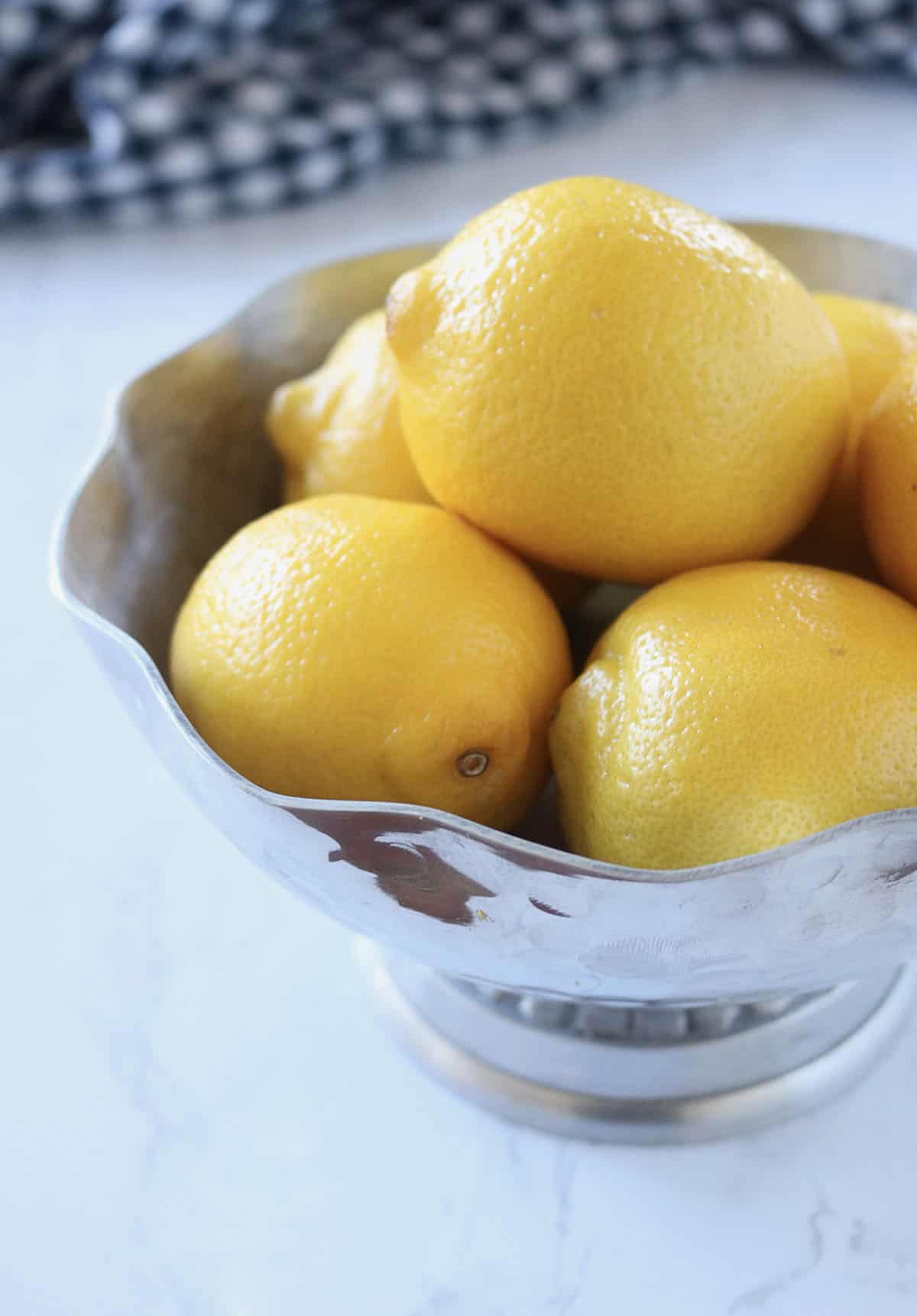
However, have you purchased lemons, put them in the refrigerator, and then they mold and need to be thrown out? Have you ever zested a lemon, only to throw it in the fridge and have it mold and dry out, wasting the juice? Have you ever juiced a lemon and then thrown out the precious zest? Here is my fool-proof way to use and save every last drop of juice and every bit of zest. And it begins with proper storage.
How to Choose the Right Lemon
To keep your lemons fresh for an extended period, it all begins with the selection you make at the grocery store. Steer clear of lemons that appear dull, wrinkled, or feel squishy. Instead, opt for those that are vibrant in color, firm to the touch, and have a thin, smooth skin. This way, you can be sure they are fresh and packed with juice.
When lemons are ripe, you can leave them on the kitchen counter, but they won’t stay fresh for long. The refrigerator’s cool temperature is the best way to preserve freshness. It’s best to store them in an airtight container or a sealed plastic bag in the crisper drawer to retain moisture and keep them juicier. It also helps keep them separate from fruits and vegetables like apples, avocados, melons, cauliflower, broccoli, and cucumbers, as these produce ethylene gas, which can speed up spoilage.
How to Store a Cut Lemon
When you’re ready to slice a lemon or cut it into wedges, store any leftovers with the cut side covered in plastic wrap, then place them in an airtight container. This method will help keep the pieces fresh for a few days.
How to Store Lemon Zest
Equipment Needed
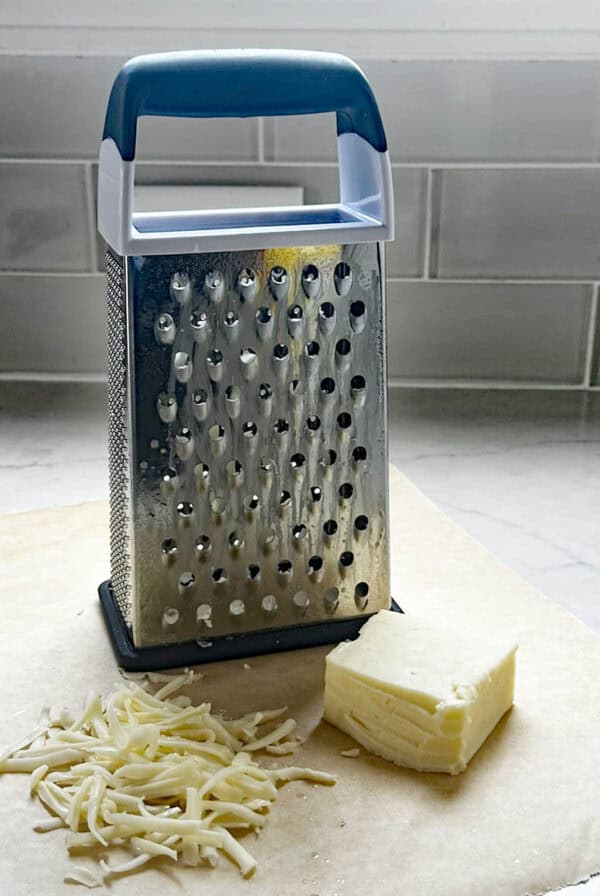
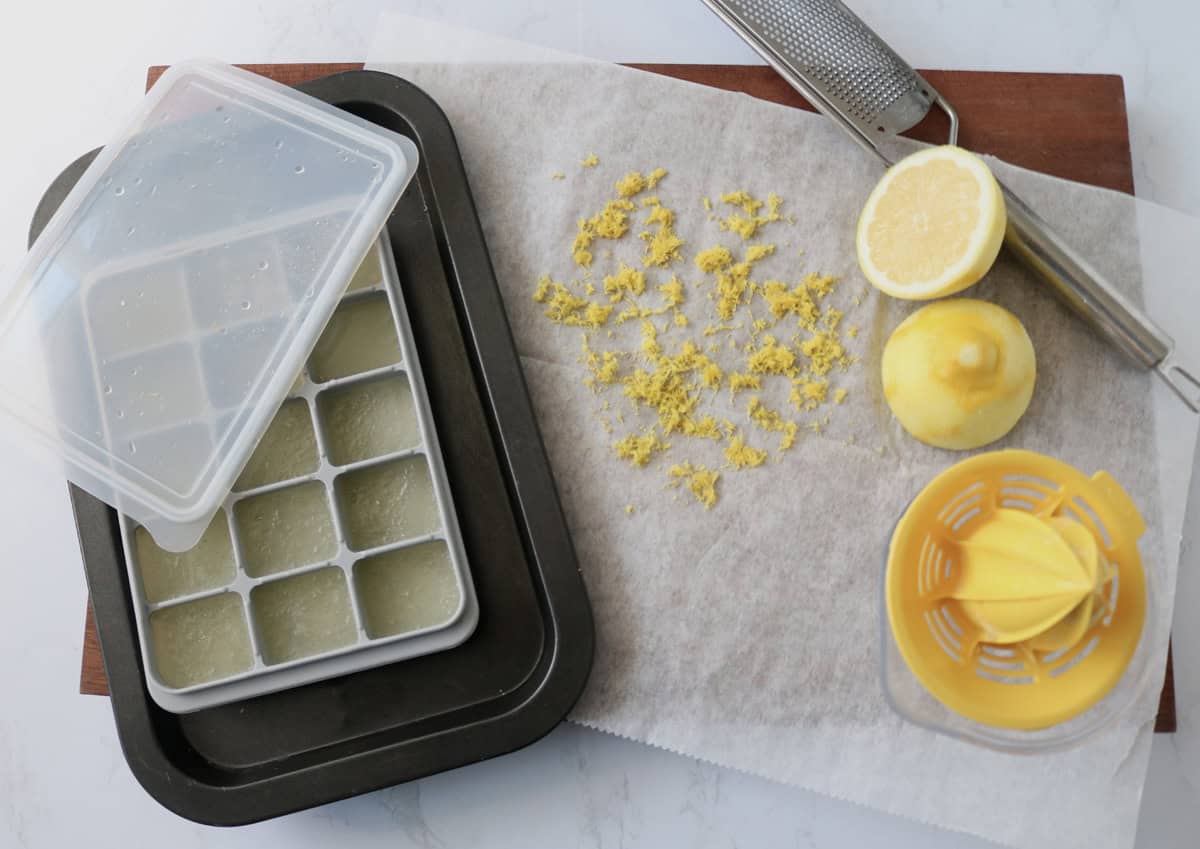
Before I slice a lemon in half to juice for a recipe, I first zest the entire lemon, even if I do not need it at that time. The lemon zest can be stored in an airtight container in the refrigerator for several days. To freeze zest for longer storage, spread it on a sheet of parchment paper, then place it on a rimmed baking sheet in the freezer. Once frozen, store the zest in an airtight container for up to six months. When you need a little zest, simply take a pinch more than you need from the container and use it in your favorite recipe, whether for cooking or baking, without thawing it.
How to Store Lemon Juice
Equipment Needed
You have zested a lemon, but you do not need the juice for the recipe. Instead of tossing the lemon in the refrigerator, juice it and store the juice in an airtight jar or container for up to 2 weeks. The acid will help it stay fresh longer. For longer storage, I like to pour the juice into a silicone ice cube tray with a lid and freeze it. Once frozen, pop them into a freezer-safe bag and store in the freezer for up to 6 months. When needed, they can be thawed quickly at room temperature or overnight in the refrigerator.